- New
Shipping 24 H
€269.00
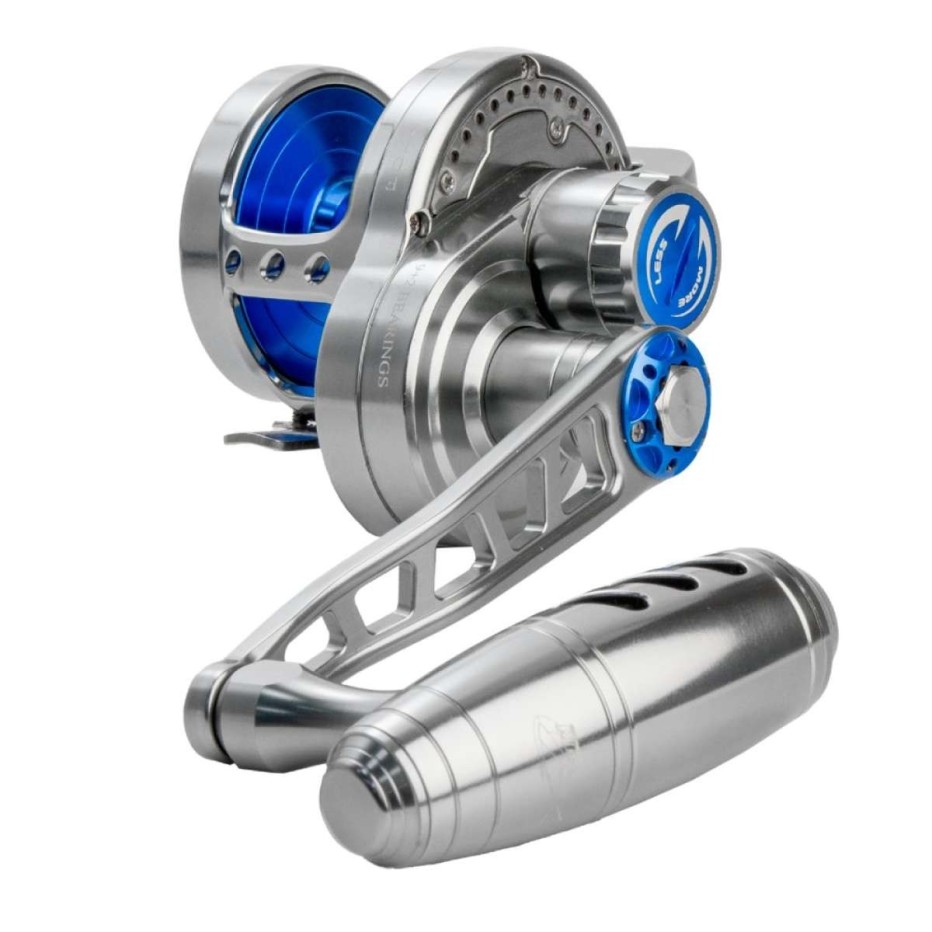
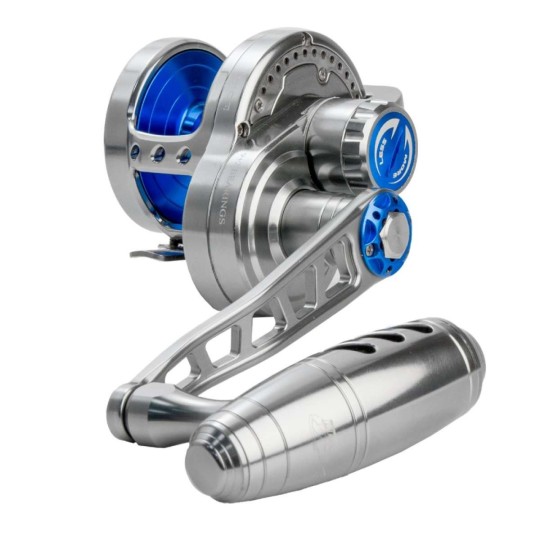
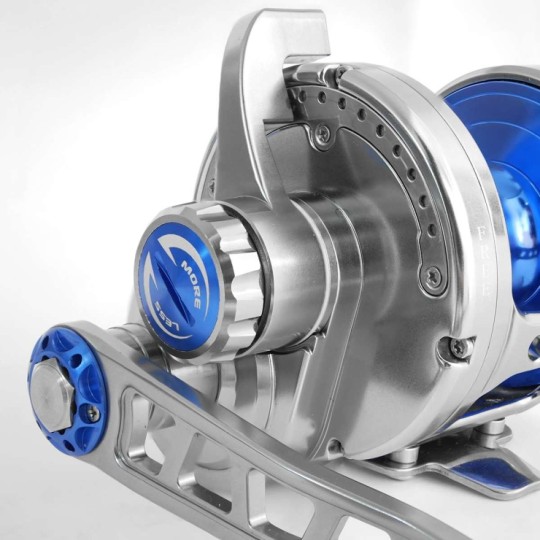
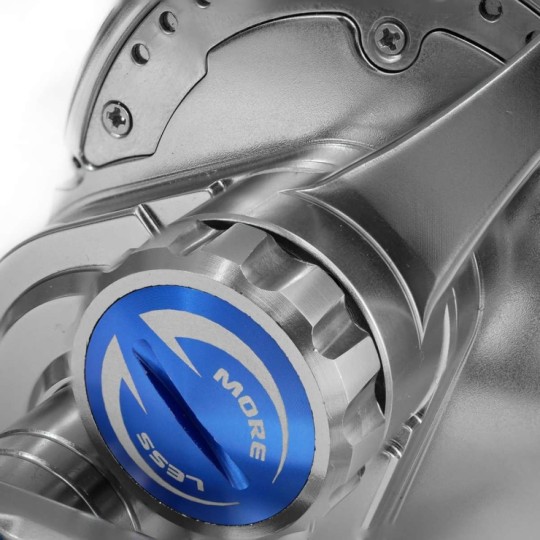
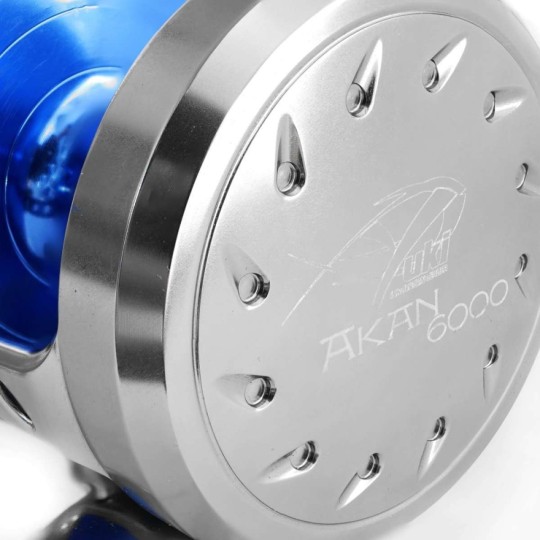
The Akan jigging reel from the Yuki brand, a robust equipment with high retrieval perfect for animating your jigs in great depth.
| Combinations | Reference | Size | Weight | Ratio | Crank handle | Recovery | Brake | Price | Quantity |
Reference : XC-AK20
Size :
2000
|
XC-AK20 |
2000 |
390g |
5.3:1 |
A gauche |
85cm |
25kg |
€269.00 | |
Reference : XC-AK20R
Size :
2000
|
XC-AK20R |
2000 |
390g |
5.3:1 |
A droite |
85cm |
25kg |
€269.00 | |
Reference : XC-AK60
Size :
6000
|
XC-AK60 |
6000 |
535g |
5.3:1 |
A gauche |
85cm |
32kg |
€348.99 |
The Yuki Akan jigging reel is designed for the angler looking for a reliable, robust and effective spinning reel to meet the demands of jigging, in saltwater and demanding vertical fishing.
Its monobloc structure in aluminum provides an immediate feeling of rigidity and security. On the water, this translates into a more serene set, capable of withstanding repeated efforts without losing precision. Resistance to saltwater corrosion is a major asset for sea sessions: you are using a reel designed to last, even when the environment becomes aggressive for the equipment.
The recovery of 85 cm per turn with a ratio of 5.3:1 offers a very interesting compromise between power and speed. This combination allows you to properly relaunch the animation of the jig while maintaining control during ascent. You feel a real ability to keep control, even when tension rises under the surface. The 9+2 ball bearings in stainless steel contribute to a smooth rotation and more regular recovery, with this mechanical comfort that you fully appreciate during long fishing sequences.
The powerful transmission gear strengthens confidence in combat and during repeated recoveries, while the robust stainless steel spool shaft adds a healthy base to the set. The left-hand side crank will suit fishermen used to this configuration, for a natural and intuitive grip.
In action, this reel finds its place for jigging, when it is necessary to properly descend the lure, quickly regain contact and keep a reactive mechanism under constraint. It performs particularly well in fishes where the regularity of recovery, the strength of the structure and the resistance to the marine environment make all the difference.