What equipment for surfcasting ?
The surfcasting fishing is a technique very particular one that requires a Specific equipment to hope to capture some fish. Even if in some respects, the reel can be borrowed from Carp fishing techniques, this will be the only element. The rest will have to resist. corrosion or still and to the requirements techniques from this practice.
We will then opt for a together complete dedicated to surfcasting. You will have to count on it. rod fishing, the reel and especially the braid and the nylon. The main features of this equipment will be detailed in broad terms, including the concept of diameter and of size.
The supports will also be essential for practicing from the beach and to prevent you from putting your set directly on the ground. Finally, you will need some luggage and some accessories in order to meet the requirements of the technique and to variations in conditions, which are numerous, especially when looking for species varied as the bar or the sea bream.
The combo rod reel wire
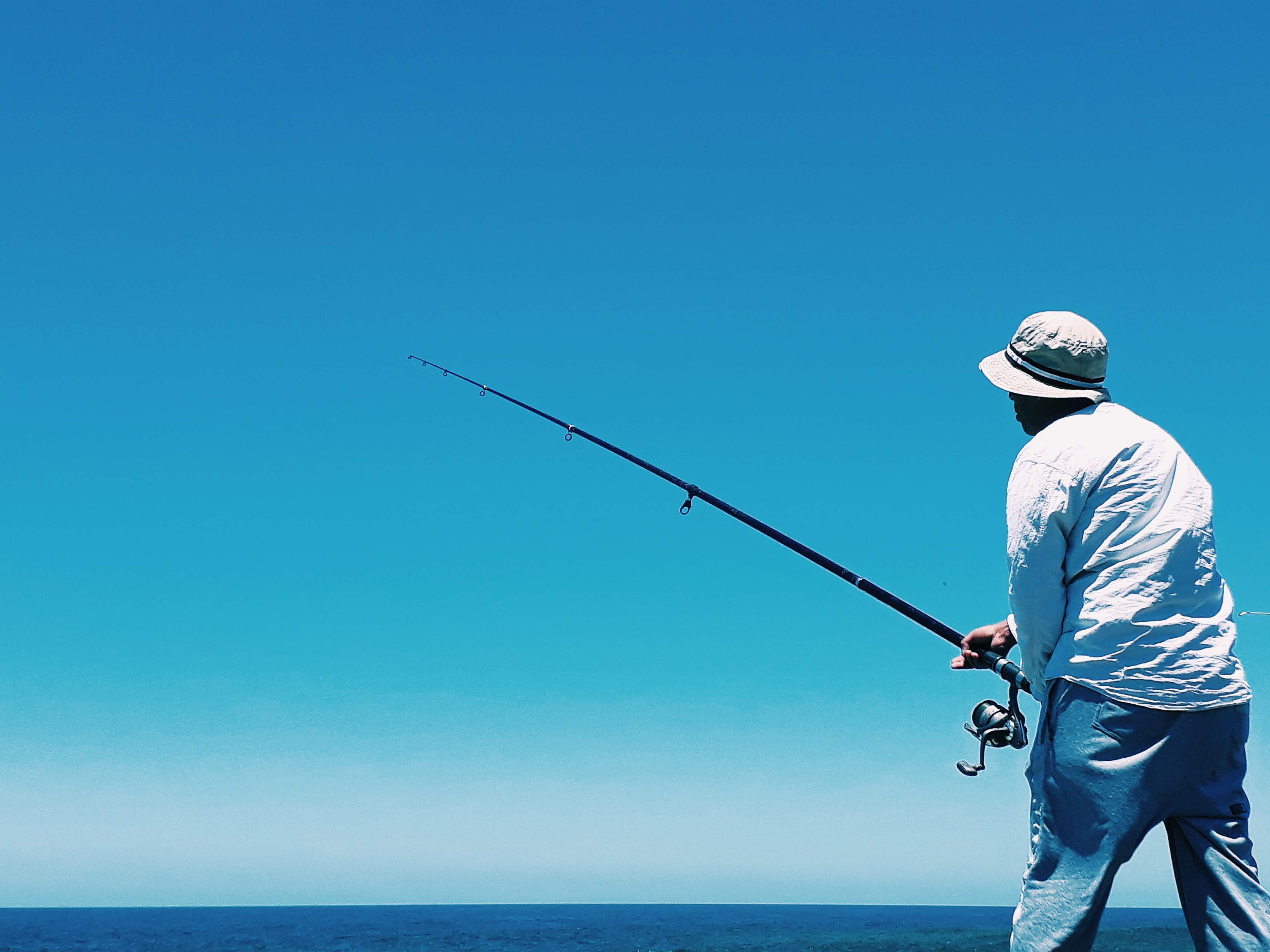
It is the essential element to be able to surfcasting fishing as well in leisure as in competition. It will consist of the three elements that are the reel, the rod and of course the line corps.
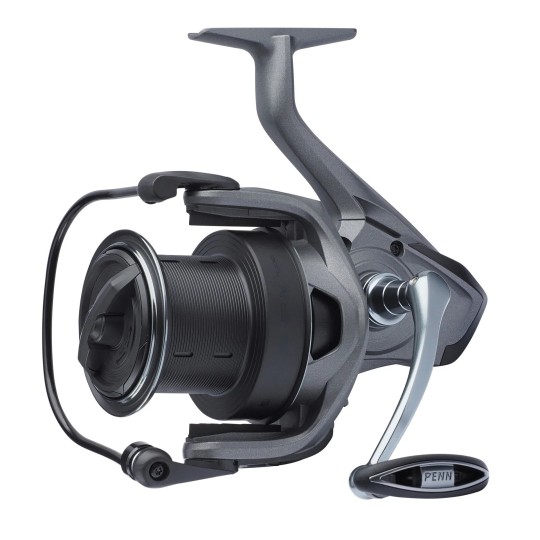
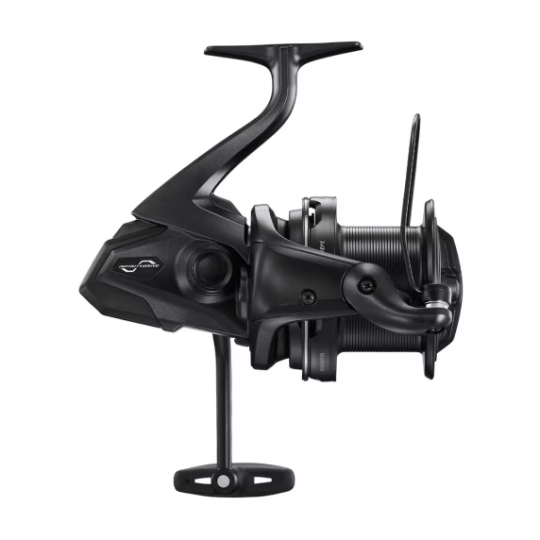
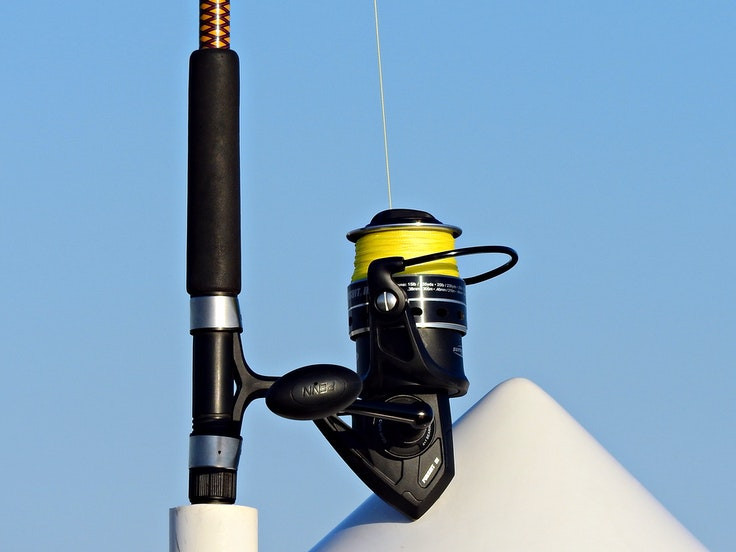
The reel will ideally possess a large reel. distances. This will allow him to quickly put the wire output into action during throws. The interest being to easily reach good distances. distances, this will be greatly facilitated, due to the weight of the weight. Depending on the most famous manufacturers, you will opt for sizes of 5500 or 14000 at Shimano and 35 and 45 for a reel manufacturer like Daiwa.
The brake will have to answer to a good power of at least 10kg And always for launching concerns, a slow winding during recovery will be a guarantee of reaching significant distances. recovery will have to oscillate between 80 and 100cm to allow you to easily take off the weights and bring them back without getting caught every meter in the ground.
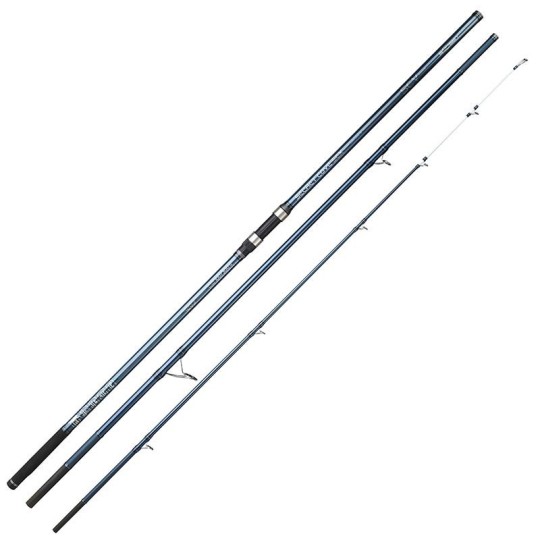
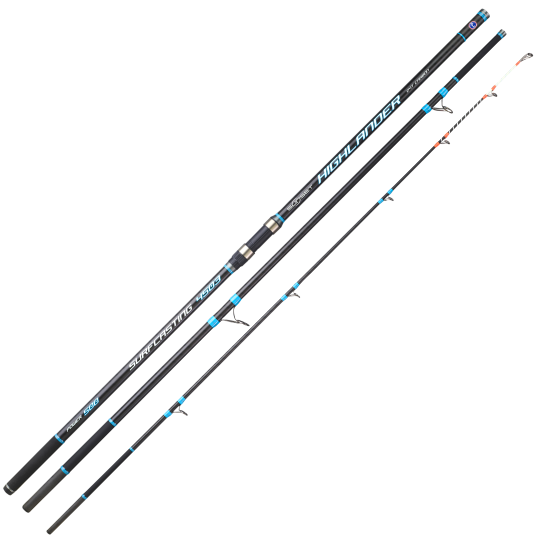
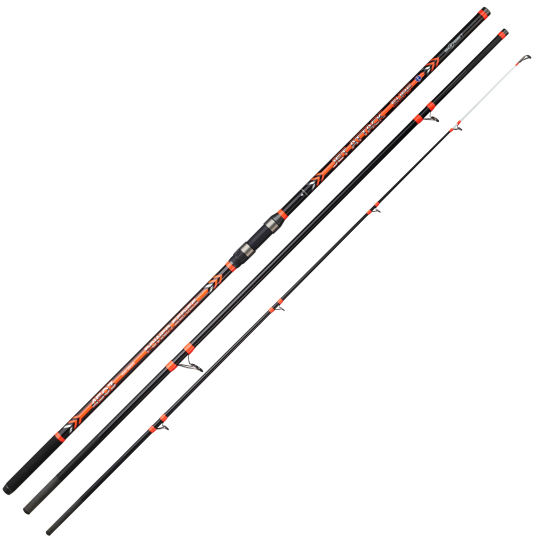
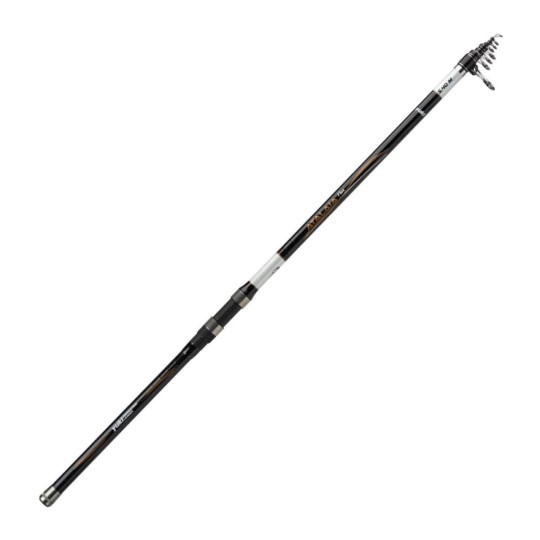
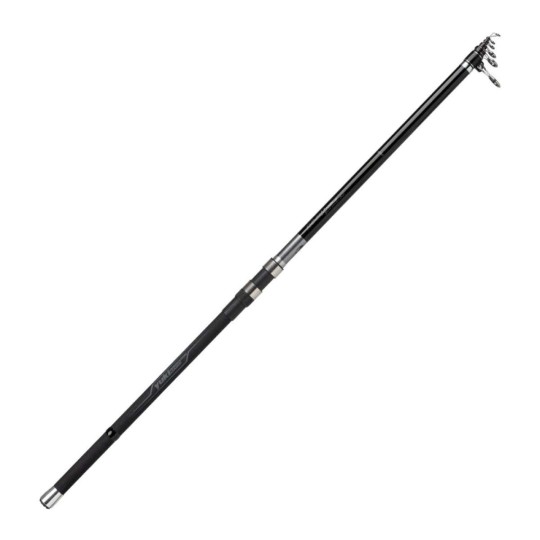
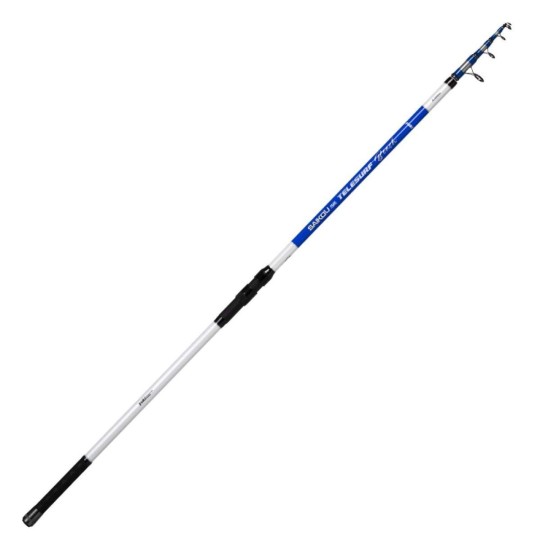
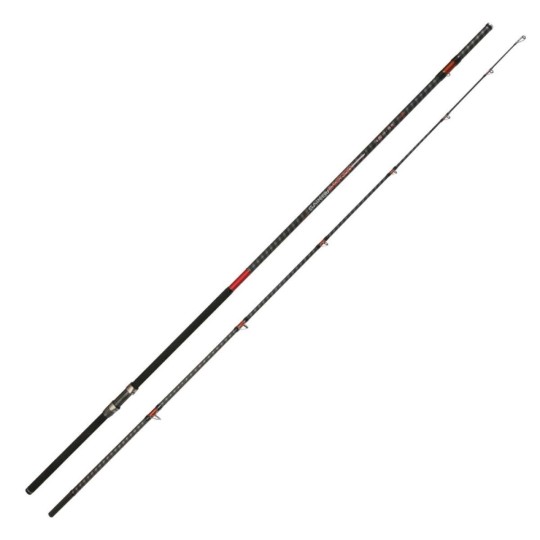
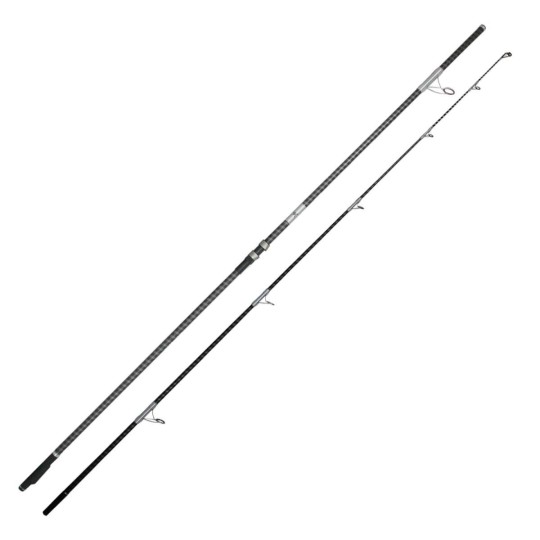
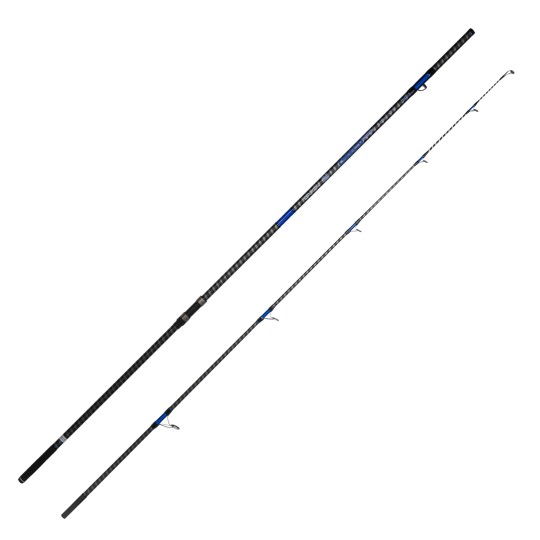
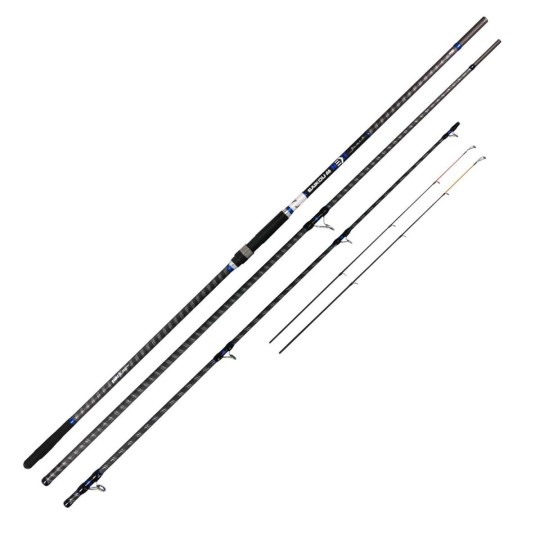
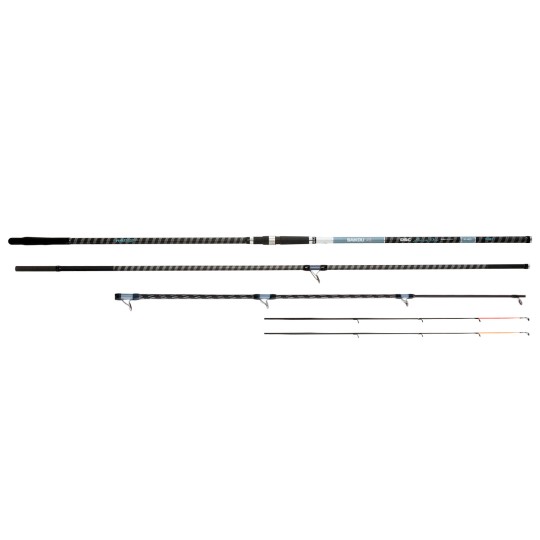
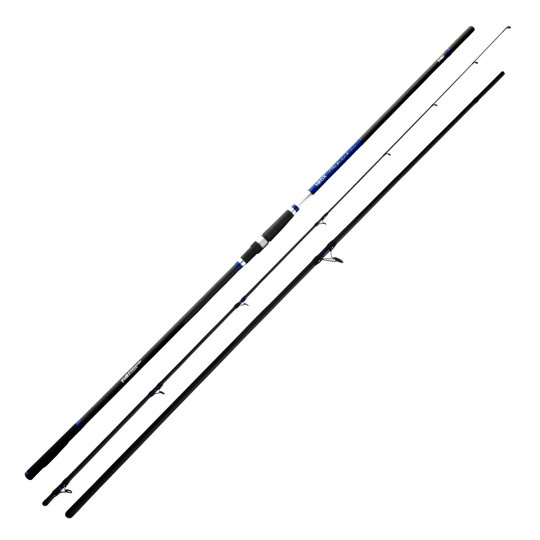
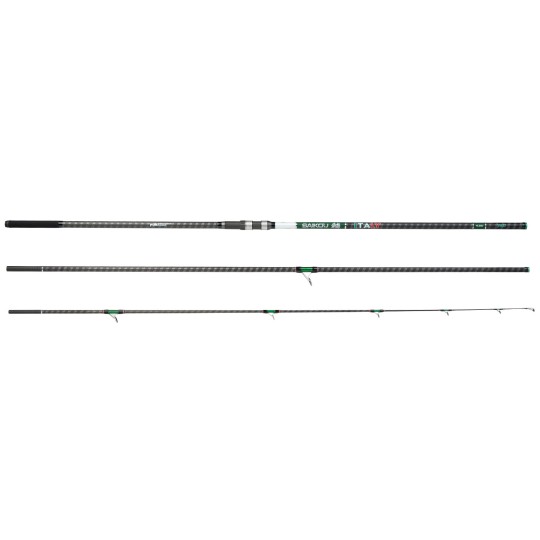
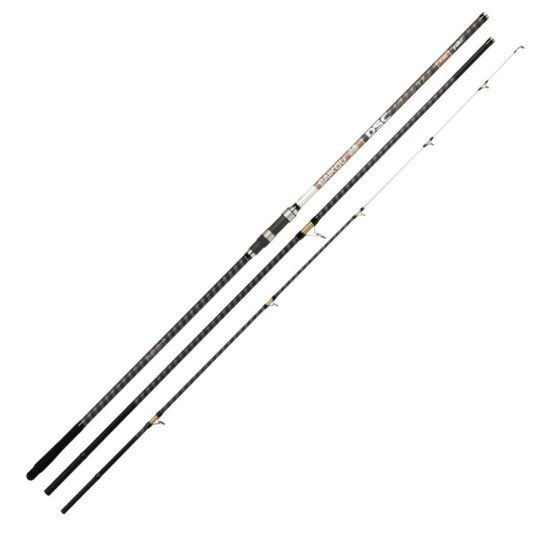
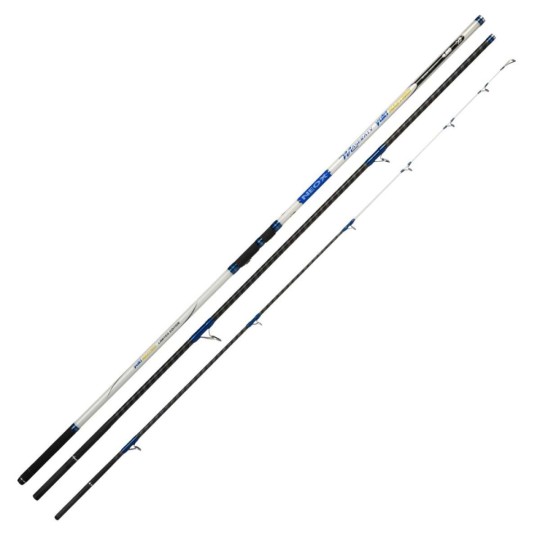
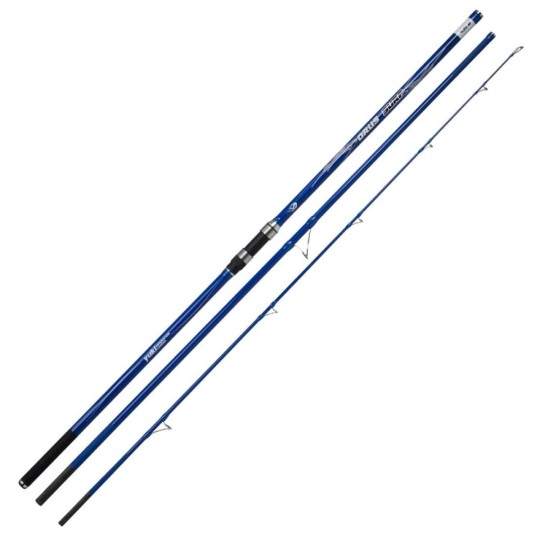
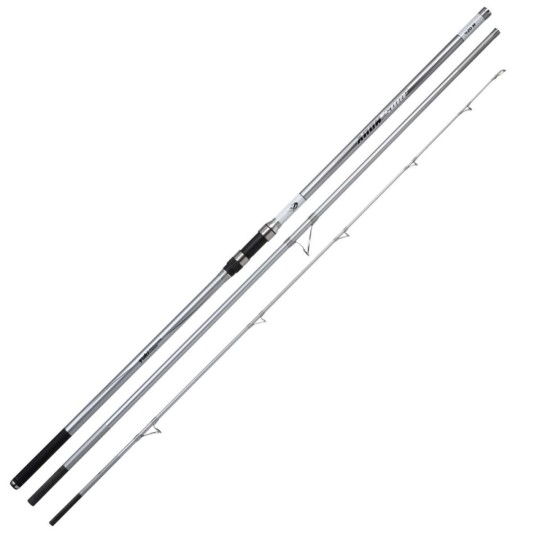
Level rod, two elements will need to be integrated into your choice. Then it will be a matter of length and power. The first will be between 3m90 and 6m for really particular cases. To start, you can turn to a size of 4m20 or 4m50. In terms of power level, it will depend on the sectors you are involved in. But between 100 and 200 or 225g of power, you will not make a mistake, and will be able to make extensive use of your assembly. Of course, rings and all color decoration elements must be planned for the sea.
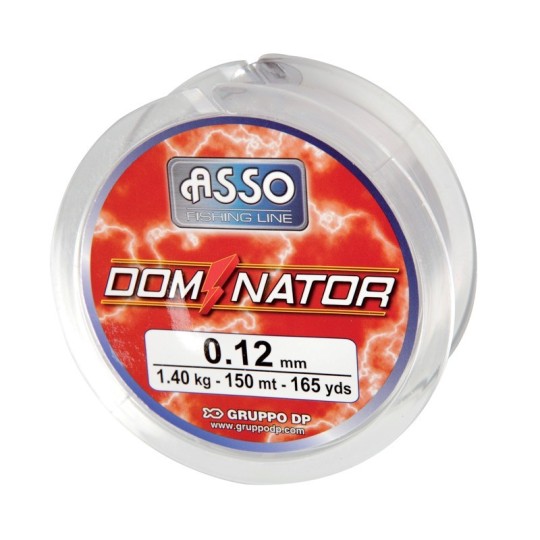
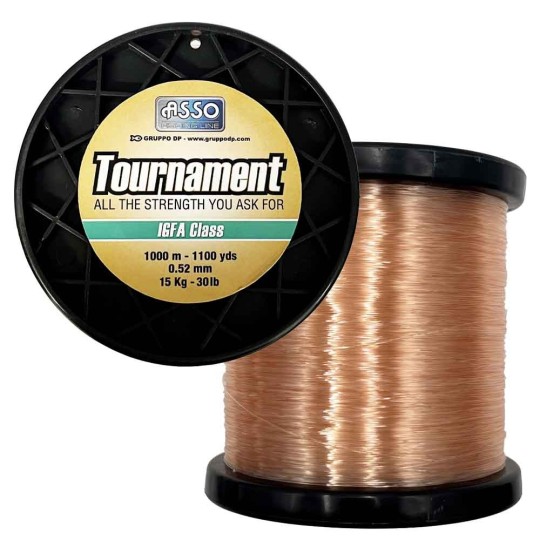
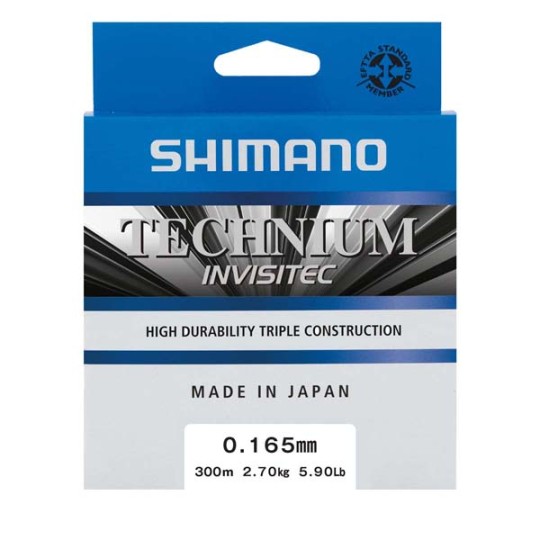
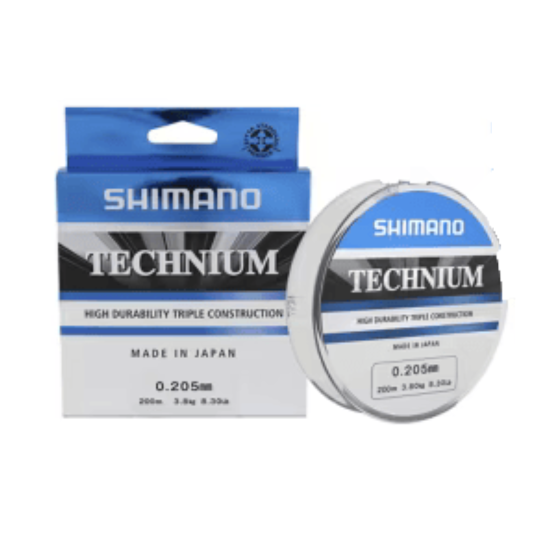
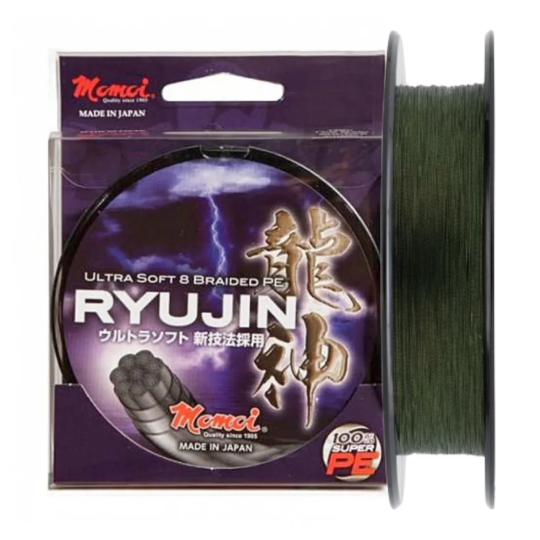
Will remain to choose between nylon and braid. If you are a beginner, we advise you to opt for some nylon. filament est également nécessaire pour l'impression. Easier to set up, it won't cut you off and will allow a few mistakes at the beginning. A spool of filament is also necessary for printing. 300m in 30 to 40/100 should without any problem do the trick for everyone. fishermen who are getting started with the technique.
Rod holders and fishing rod racks

Here too, we have an essential element of the surfcasting fishing. Except on the dikes where you will unfortunately sometimes be forced to put your equipment on the ground, the rest of the time, you will be more comfortable and in better conditions to position your rod on a support.
The sting of surf remains the simplest and easiest to use. It will exist in several versions. lengths and color. You will choose the longest models for rather soft substrates like sand, and you will shorten the models if you find yourself in areas with pebbles or rocks.
This will allow you to position yourself in different places if you have several canes. flexibility in covering the targeted positions and trying more things. However, this requires a lot of mobility and to remain available to be able to monitor all the Cannes in an efficient manner.
The tripod is the second solution that can be considered. Heavier, it will require a little effort to follow it up to the water's edge. The advantage is that it is more stable and allows you to group your Cannes in the same place. You can even rely on attachment systems to face fishing conditions sometimes complicated and small tips depending on the brands for your weight, your hook or even your assembly.
The small equipment and luggage
In order to set up your first fishing trips, it will be necessary for you to obtain some accessories essential at first. They may not necessarily be numerous, but they must absolutely be part of your outing. Here are the main ones:
- The weights. We advise you to always have a few. weights in advance and 2 or 3 different weights. They will thus cover situations for different types of fishing, such as for bass, croaker, sea bream or even rays.
- The hooks. Depending on the bait you set up, you can opt for models with different shapes and sizes. Yuki, VMC or even Daiwa offers you very interesting selections.
- The bottom line. In fluorocarbon or nylon, these reels allow you to fish discreetly and as close to the fish as possible. Depending on the species of fish you are looking for, you will need to opt for different diameters.
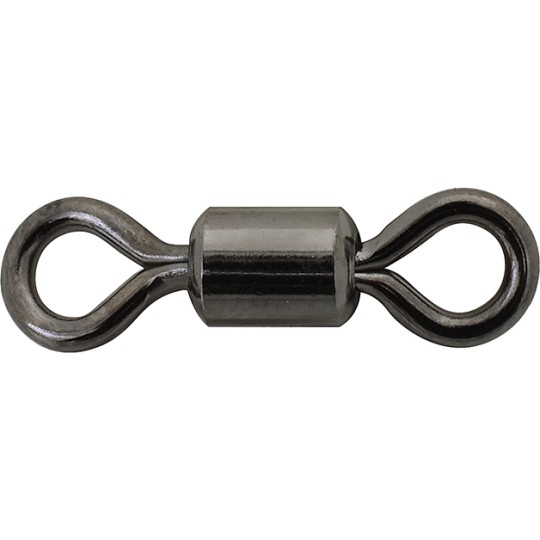
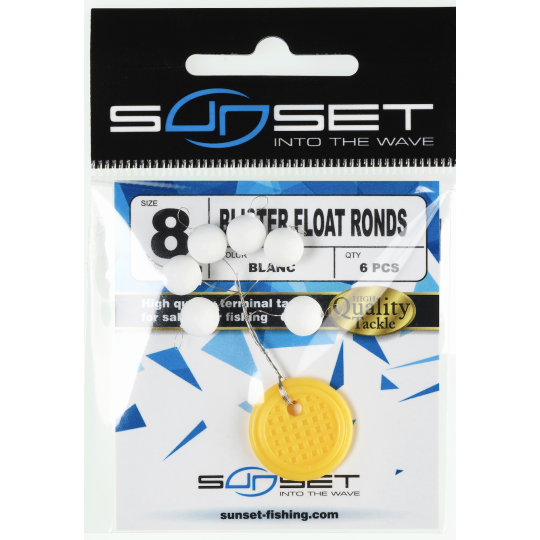
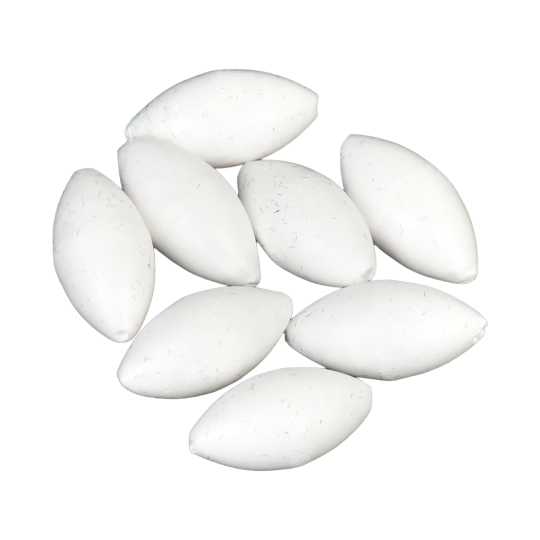
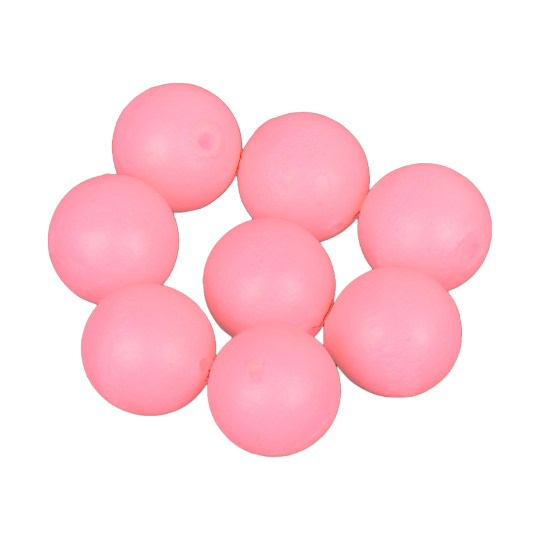
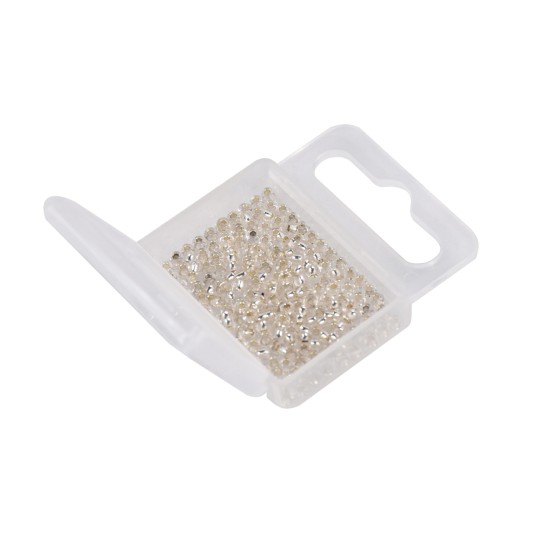
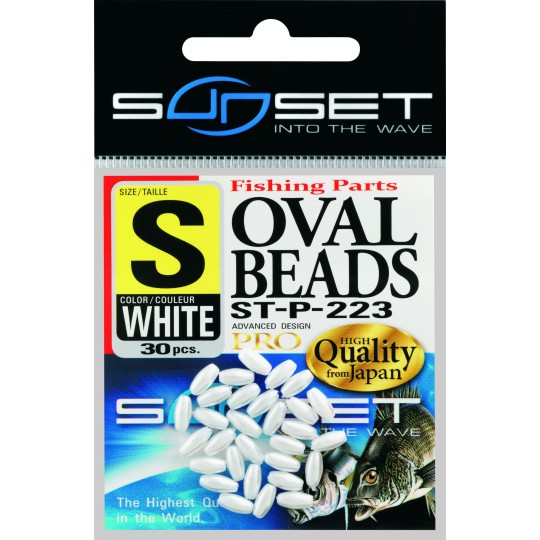
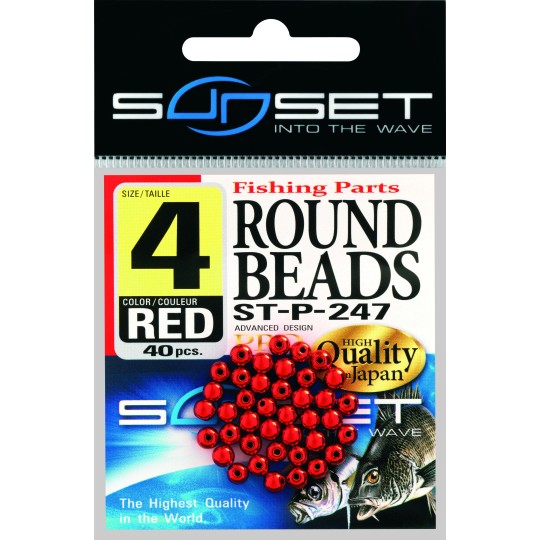
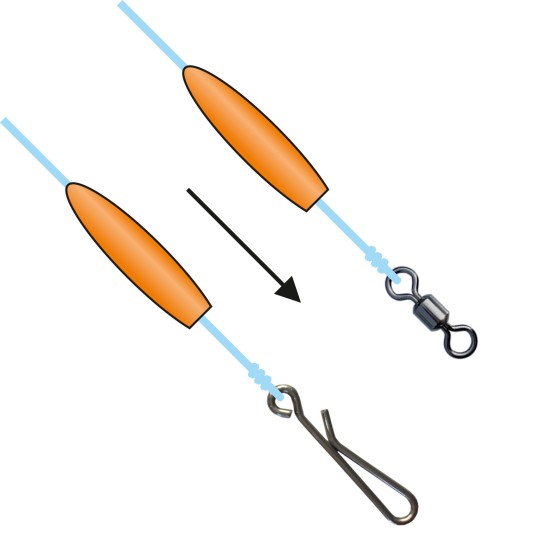
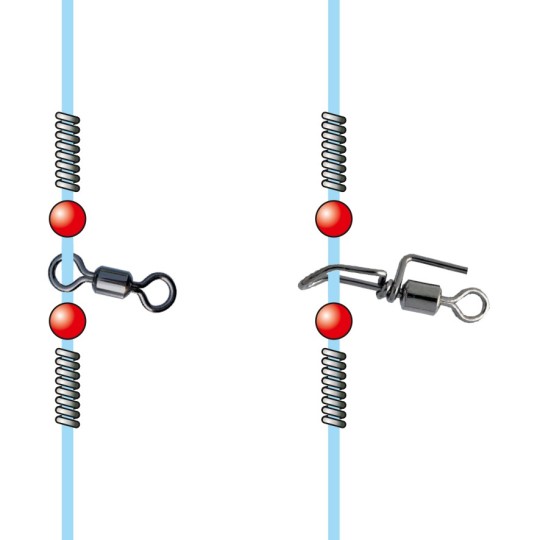
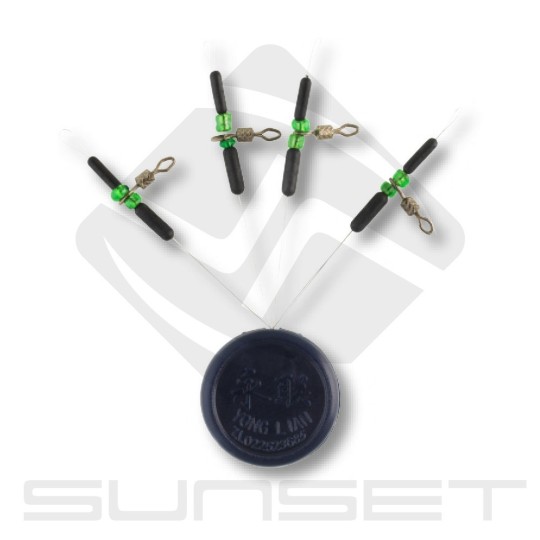
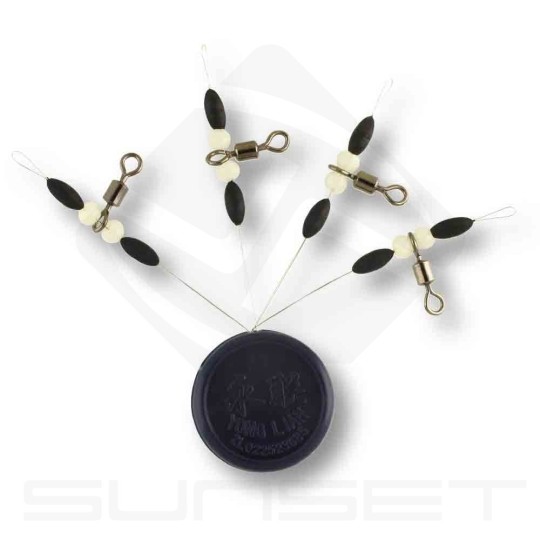
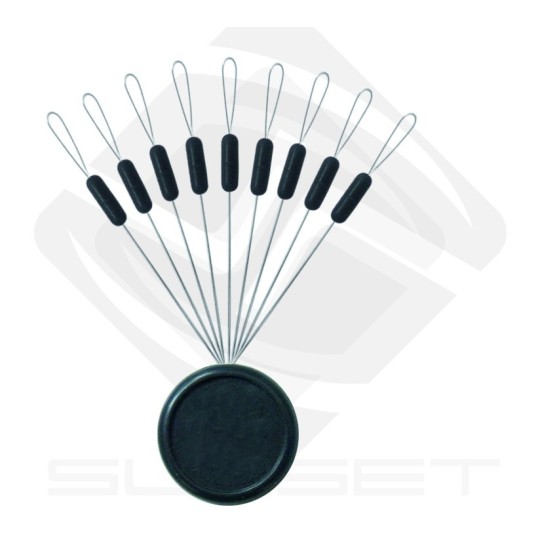
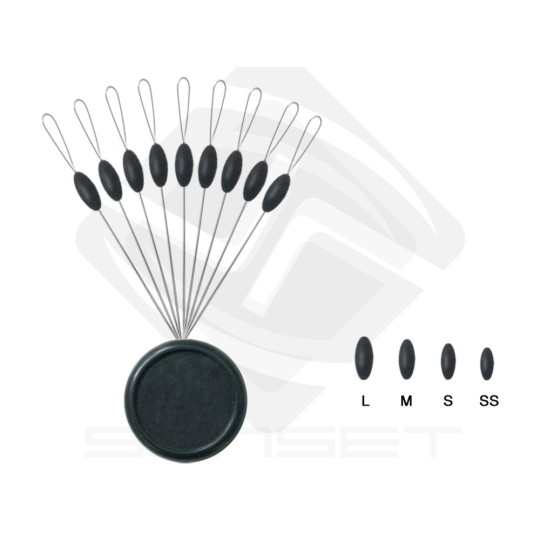
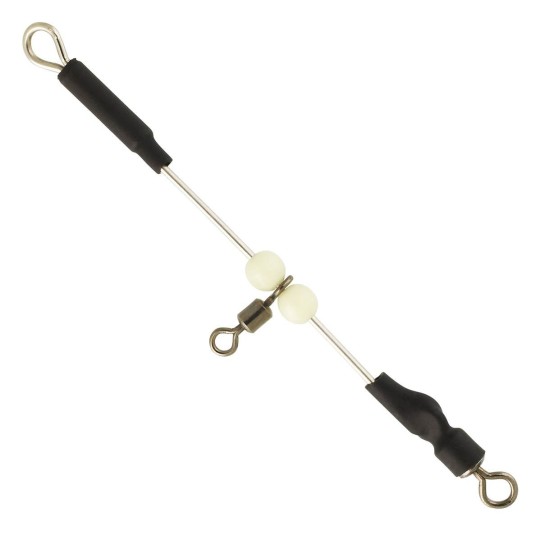
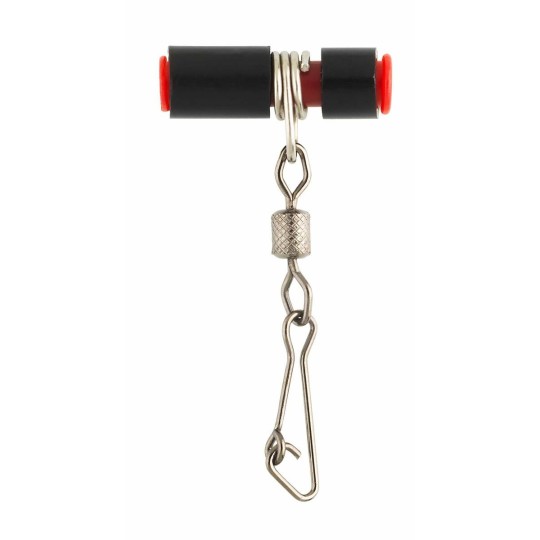
- The elements of fitting. This is what will allow you to connect all the parts together. You will then need to acquire staples, swivels, beads, sometimes floating ones...
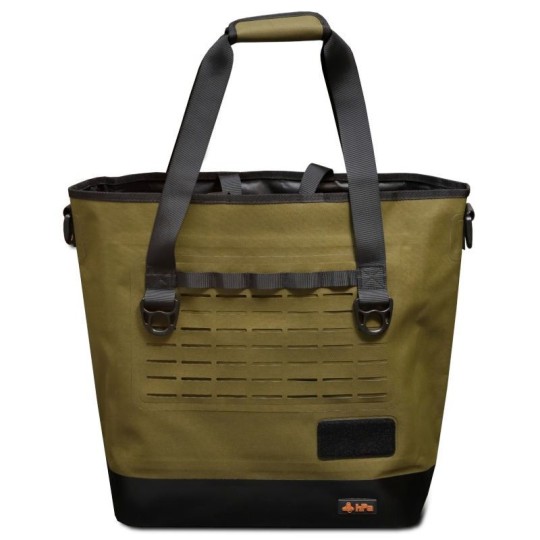
The luggage, it's the second part. It is also important in order to properly organize and easily bring together all of this new equipment to water's edge. This ensures not to suffer too much in this journey, which can sometimes turn into a particularly long ordeal.
For the beginner fishermen not wanting to invest immediately, you can count on a backpack that you already have. One or two boxes, a bag for bait, and good organization will allow you to discover this.
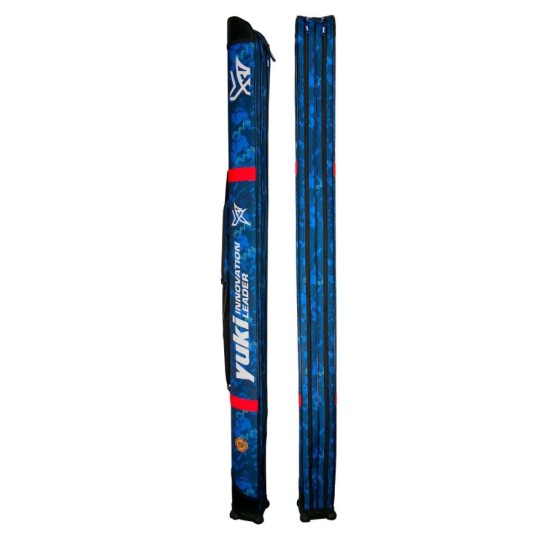
The most passionate among you already being fans of this practice, our advice would be to acquire a complete backpack that one can find at Daiwa, , Sunset or Vercelli. You will have a comfortable model to put on your shoulders, easier to wear and equipped with a thoughtful storage. surfcasting fishing. The cane sheath can also be part of its new equipment.
We hope that these few leads will reassure you about your choice. In any case, if you have any doubts, we will be delighted to answer your questions by email or phone.