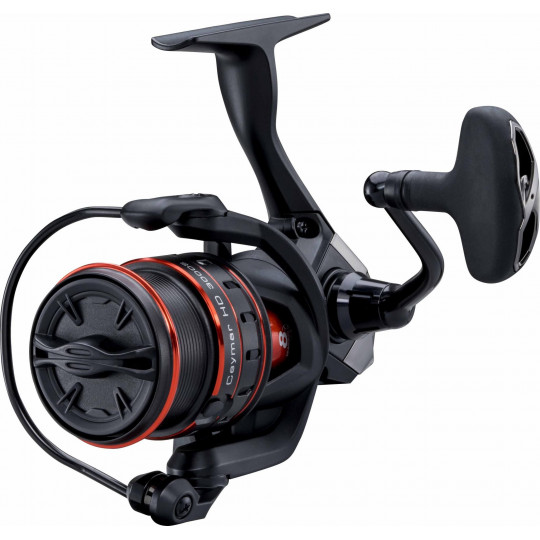
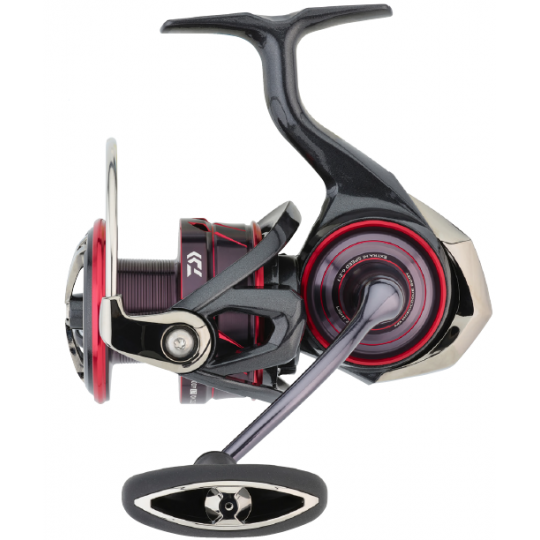
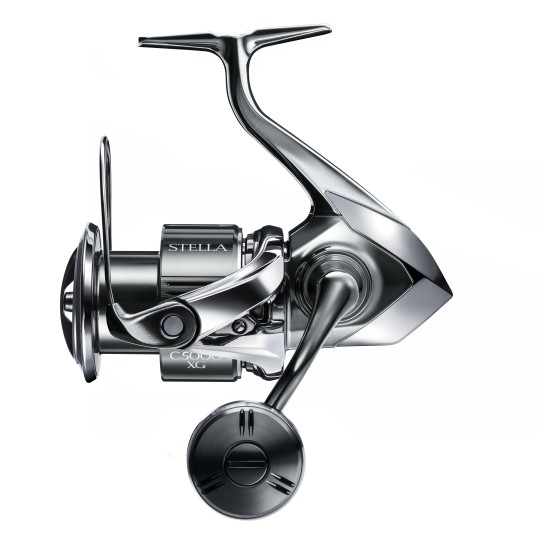
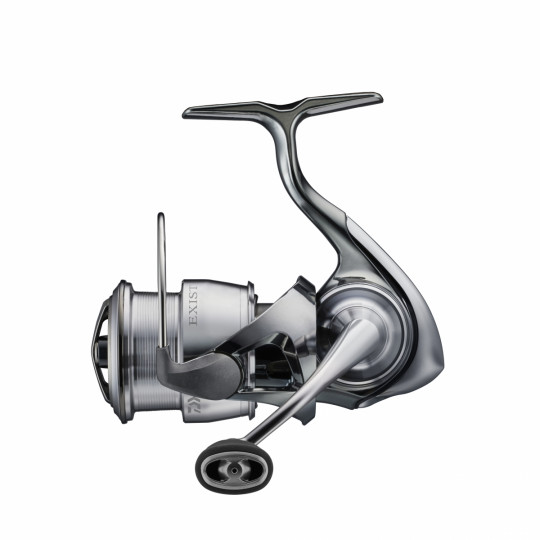
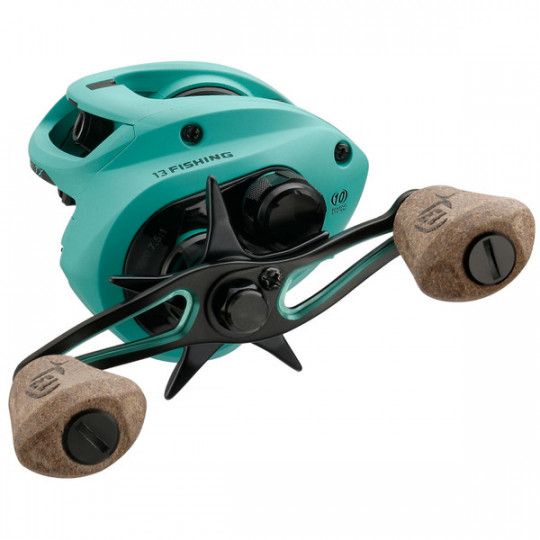
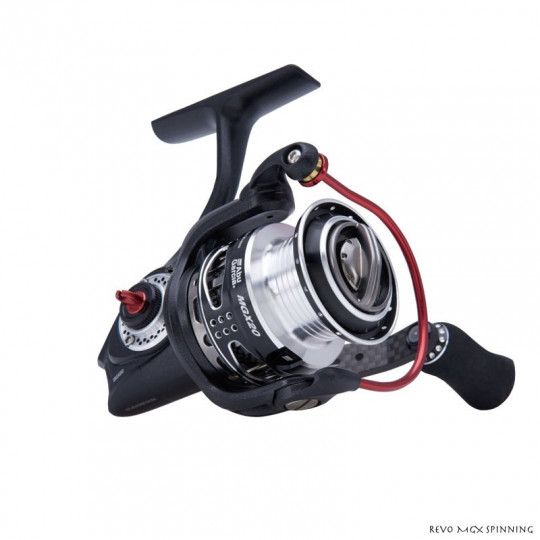
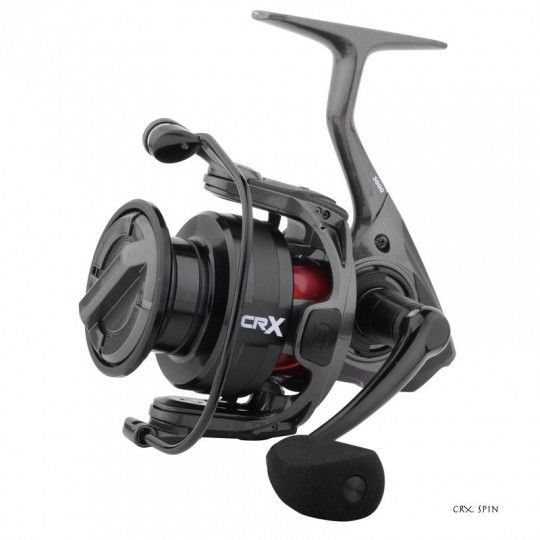
Which reel for rockfishing?
By following these tips, you will be ready to face the rocks and turbulent waters successfully! Don't forget to select your other equipment accordingly. A reel alone will not really be of great use!
Finding the balance between power and lightness

Rockfishing is a very specific fishing activity, which requires special equipment to be effectively practiced. One of the things to take into account when choosing a reel for this discipline is its weight. It is important to have light equipment so as not to tire quickly and keep the sensations of contact with the fish intact.
That's why one of the characteristics to take into account in this practice is the weight, you will need to select light models. Fortunately, many fishing brands today offer technologies adapted to such a requirement.
The size of the reel
Thus, opt for a reel size suitable for your rod: generally, a size between 1000 and 2500 is appropriate for rockfishing. These smaller reels are generally lighter and easier to handle throughout the day. These sizes will also ensure that they are suitable for the lures you will generally use in this practice.
The manufacturing material
As for materials, look for a reel made of light composite, like carbon or aluminum. These corrosion-resistant materials will allow the reel to last longer and not wear out too quickly under difficult conditions. This is a common feature of all recent models. This aspect should therefore not pose a problem in your choice, although it is still important to take it into account.
Quick retrieval for better fishing comfort

The recovery ratio is crucial when choosing a reel specially designed for rockfishing. A good ratio allows for quick line recovery, which is handy when you're trying to quickly get fish out of rocky areas or avoid submerged obstacles.
A ratio of 6.0:1 or higher is recommended to facilitate the rapid recovery of the lure. This translates into six crank turns for each complete reel spin. The higher this number, the faster the recovery will be.
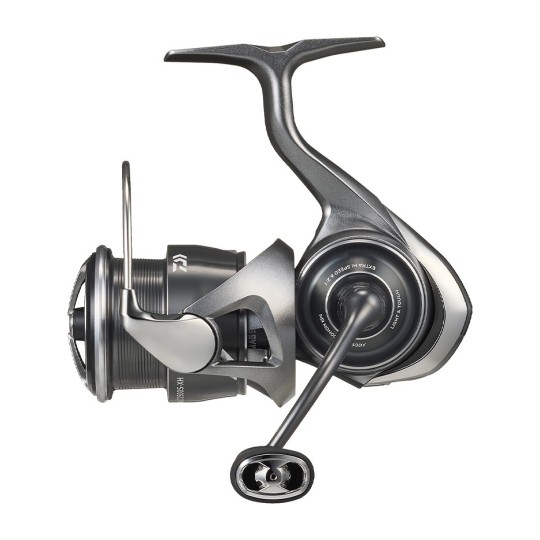
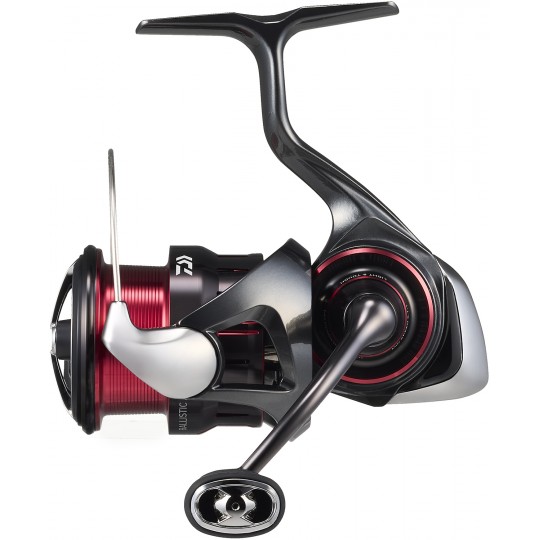
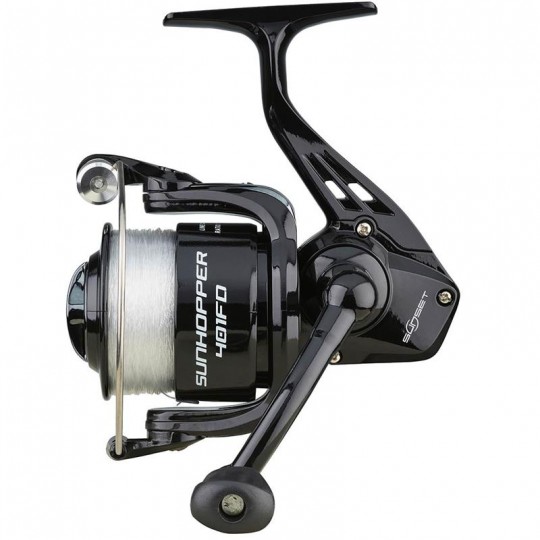
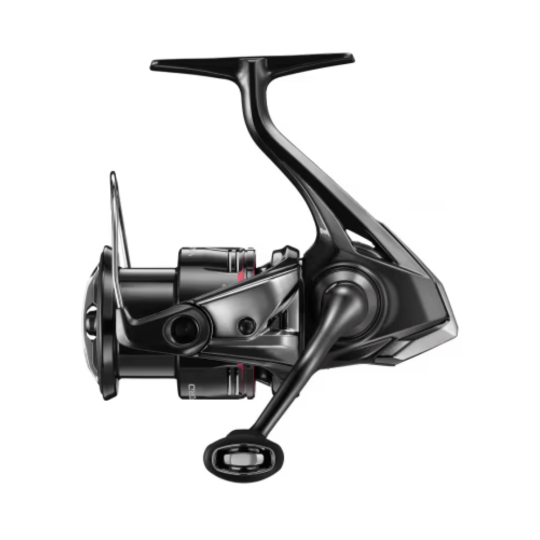
You will find at the bottom of the page a selection of reels perfectly suited to this practice, you will note that they indeed all have a high ratio.
Effective brakes to master the catch
To better tame the brave fish caught during your rockfishing sessions, particular attention should be paid to the reel brakes. The braking system must be simple to adjust and progressive to be able to adapt to different fishing tactics.
Front or rear brake?
There are two types of brakes depending on their position: front brakes and rear brakes. While the front brake generally offers better power and precision, the rear brake is often lighter and has the advantage of being adjustable with one hand. Thus, choosing between these two options will depend on your personal comfort of fishing.
The power of the brakes
When it comes to rockfishing, choose a reel with a braking system powerful enough to resist the assaults of combative fish.
In general, a reel offering a brake power of 2 to 5 kg should suit most situations encountered in rockfishing. If you are unsure, do not hesitate to contact us by email, chat or even by phone, each spot being unique it is quite normal not to know where to start.
Additional features
Even if size, recovery ratio and brakes are the key elements to consider in choosing a reel suited to rockfishing, some additional features can make this equipment even more efficient.
Optimal thread guidance
In order to preserve its line in sometimes rough zones, it is necessary to make sure that the reel is equipped with a good guide system for the line. A good level-line offers a perfect positioning of the line on the spool in order to decrease the risks of tangled or twisted lines.
The anti-corrosion treatment
Since the marine environment is by definition aggressive for fishing equipment, make sure that the reel benefits from specific treatments to resist corrosion.
Many brands apply protective coatings on their reels to prolong their lifespan. This crucial aspect can be quickly forgotten by some fishermen, often beginners. Even though rockfishing is usually practiced from the coast, this does not prevent contact with salt water. For the well-being of your equipment and optimal longevity, it is almost mandatory to turn to a sea-specific model.
Our complete Rockfishing catalogue: