

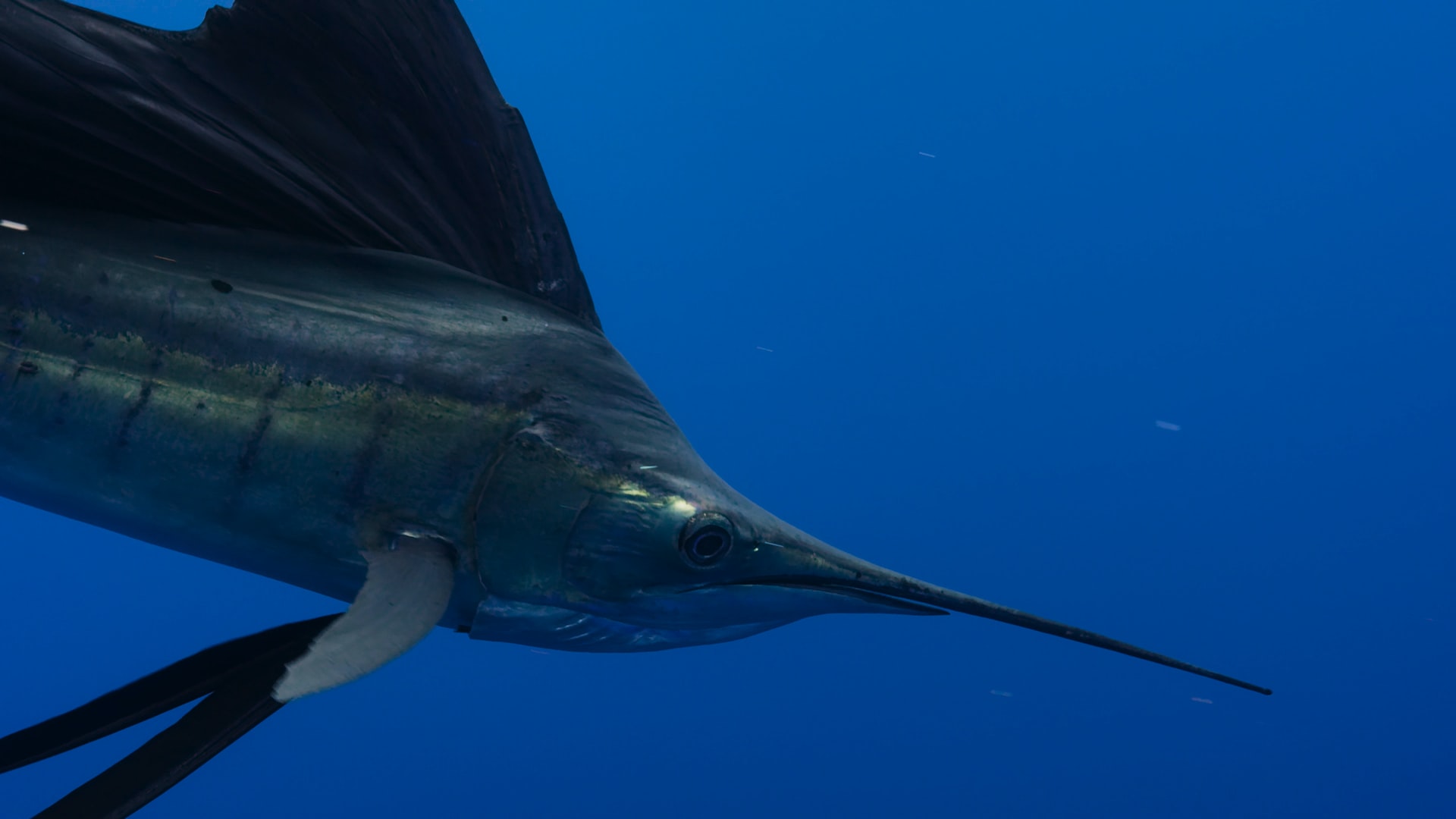
The swordfish is a fish that more than one fisherman dreams of, it can reach a phenomenal size, always providing a memorable fight that requires a particularswordfish equipment. Its name is derived from its scientific name Xiphias Gladius which in Latin meant a sword (Xiphios), it is indeed its most recognized characteristic: its sword-shaped rostrum.
The specific shape of its body allows it to reach speeds of more than 100km/h, making it one of the fastest fish in the world.
In order to enjoy as much as possible and to have fun in this swordfish fishing, we will see where to fish this species for effective catching, but also the best techniques to use according to the circumstances and your desires.
Our advice will allow you in a second time to select your equipment with great care, because as for any fishing (for tuna and other tunas for example) if you are not equipped correctly, you will not have any pleasure and could even endanger yourself or your rod fishing, your reel…
The best locations
In tropical and temperate waters
.jpg)
The swordfish xiphias gladius can be found in different places on the planet, it is important to know these spots or risk rarely encountering this legendary fish species, note that you will need a boat to be able to move away from the coast.
You can then find it in the tropical and temperate waters of the world's oceans, namely:
- The Pacific Ocean
- The Atlantic Ocean
- The Indian Ocean
This is a species that likes to live in relatively warm waters that reach temperatures between 18 and 25 degrees depending on the region. You will need to look towards the drops, quite deep canyons, ridges or wrecks. As much of possibilities that correspond to its lifestyle: it stays near the bottom (200 to 600m deep) during the day and rises to the surface at night.
Its migratory behavior varies according to the seasons, you will find it in cooler waters in summer and conversely in warmer waters in winter.
In warm seas
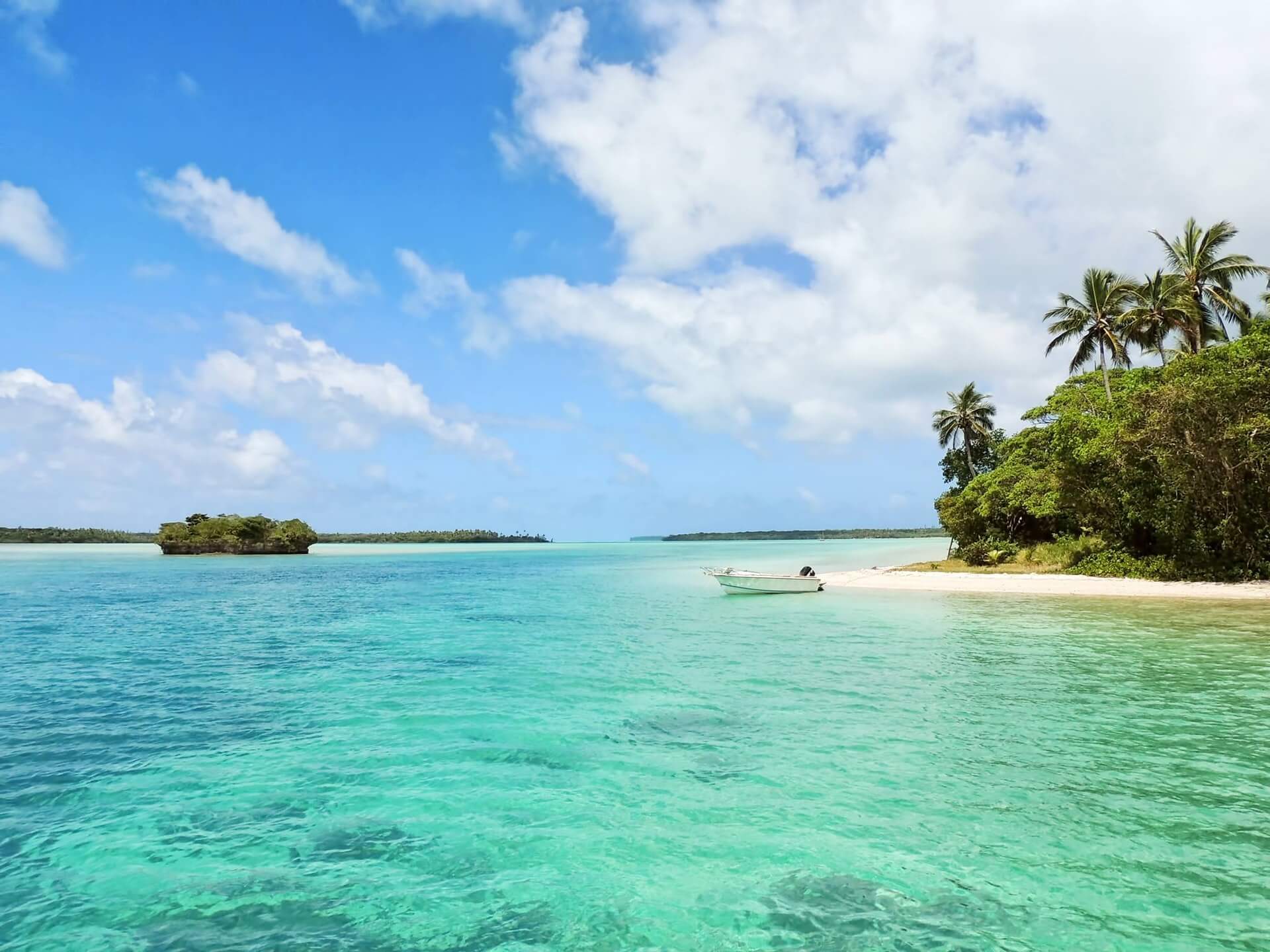
In addition to the oceans, you can find it in large numbers in the different seas that make up our planet, the temperate waters are perfectly suited to this species of Xiphias Gladius that can reach several meters.
You can look for it in the following seas:
- The Mediterranean Sea
- The Black Sea
- The Sea of Marmara
Rarely evolving near the coasts, you will need to go offshore if you want to maximize your chances of successful fishing. You will have to look for places similar to the oceans, wrecks, ridges, canyons, etc.
Full moon nights will be more conducive to high activity and therefore an ideal time to fish. In general, we recommend fishing the species from August to September which are the months when you will have the most chance of finding it, although the entire period from June to November is suitable for fishing in the Mediterranean Sea.
Fishing techniques to use
.jpg)
Being able to reach record speeds, it is a predator that should not be taken lightly at the risk of breaking your fishing gear and wondering how you got there.
The challenge is substantial and you will need to adapt both your techniques and your rod, your reel, your mounting accessories, etc.
Trolling is certainly the most suitable technique to cope with the power of this fish. You will need to equip yourself with a powerful rod with a power of 30/50 lbs, a 6/0 reel as well as natural baits mounted on a large diameter line. You can also rely on lures suitable for such a practice, we think for example of the Inchiku which closely resembles a squid, being the preferred food source of the desired species.
Other techniques are possible:
- Deep-sea fishing
- The broumé fishing
- The Jigging fishing
You now know the main lines that will allow you to go fishing for this legendary and unique species that we are sure will bring you thrilling challenges.
But be careful, you will need a completely adapted fishing gear to enjoy this . Your adventure won't go far if you use the first rod and the first reel that comes to hand.
Its speed, but also its weight, will push you to select with meticulousness a trolling rod, a casting rod and a reel adapted to the selected technique.
Although it is not threatened, let's all do our part to respect it and preserve it so we never find ourselves in a situation similar to other species.
This trophy fish could well be one of your biggest catches, so now that you have all the cards in hand, you know what to do!
You might also like to read: