

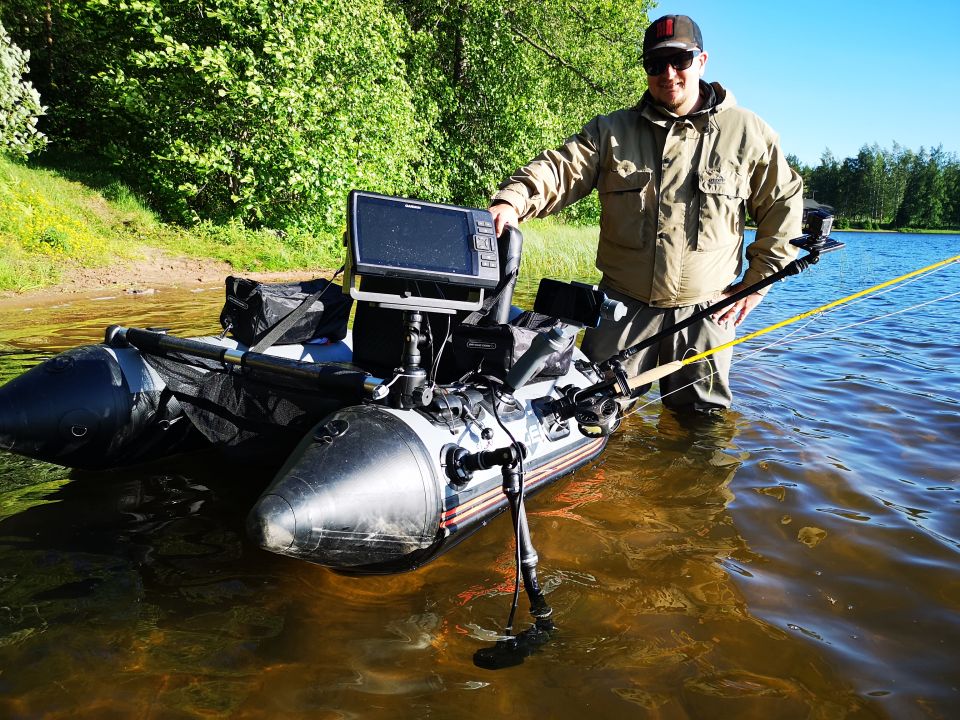
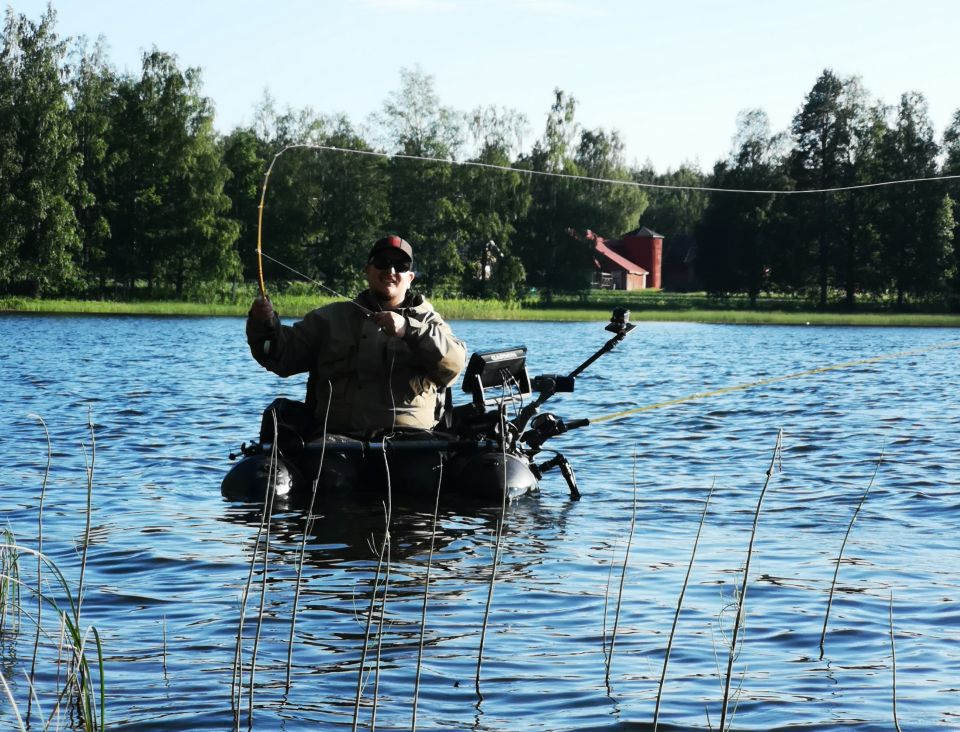
You just acquired your new float tube or you're thinking about buying one, and now you're wondering if a fish finder A portable for a small boat is a good idea. Indeed, the fishing probes are an obvious fact on a boat, but for a float or another portable vessel, the question arises.
Manufacturers have not missed the boat and have created little wonders for us, which adapt very well to a float tube As you can find them in our accessories catalog. A fishing sonar is almost indispensable for efficient and high-performance fishing, it will allow you to read the bottom of the waters above which you are practicing.
The fishing probes Will take you to a whole new level, the depth detector will allow you to understand your spot and analyze, for example, why your lure is consistently getting stuck here. If you choose the GPS surveyors, certainly not essential, but strongly recommended by us, you will be able to track your drift and save the location in case of high productivity to return to it.
We are going to see which models of fishing sonar are the most suitable for use in float tube, in the image of the fish finder Lowrance Hook2 GPS or from lucky fish finders sonar for example.
Screen sizes
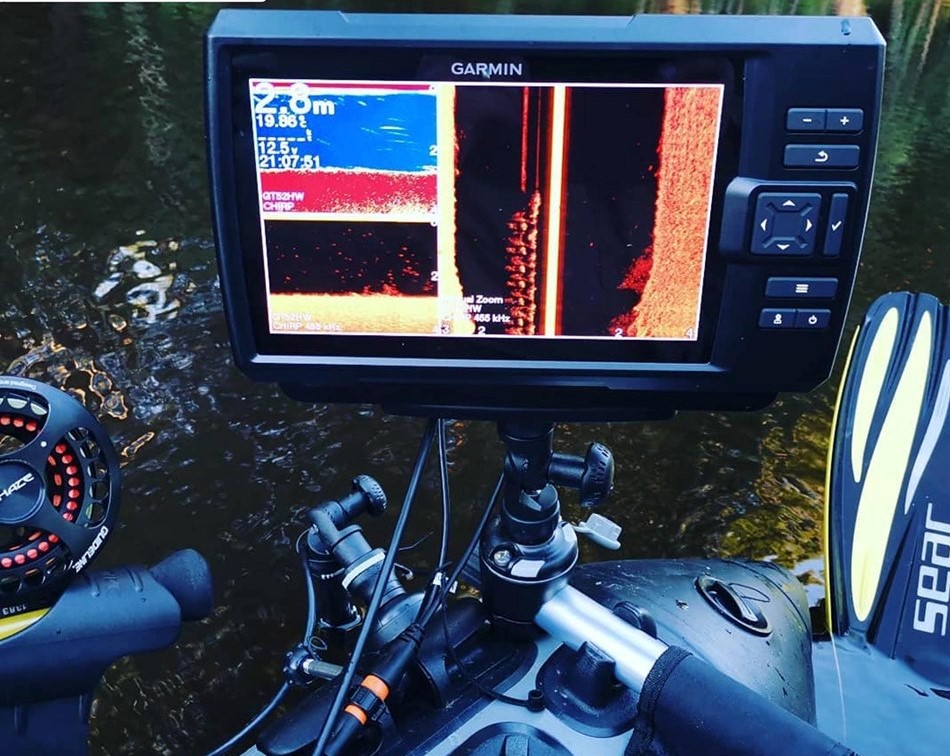
Before choosing a screen size, it is important to know that a fishing sonar can use two types of technologies that we will see in detail in the second part of our article: the imaging from below such as the fish finder Lowrance Hook2 GPS and the side imaging present on certain fish finder deeper.
It is important to know well which technology you are using, as the optimal screen size will indeed be different. Selecting the best one. fish finder is a crucial thing but you also need to know how to properly install it on your vessel, our article How to install a fish finder on a float tube ?, sonar. The text deals with the subject from all angles in order to give you all the keys for maximum performance! If you choose to go with a "side imaging" model, we recommend you to go with sizes of 4'', 5'' or even if you can afford it, a 7'' screen. These sizes are the best compromise between reduced clutter and good screen visibility, which is essential for 100% use of a sonar. fish finder mobile phone of this kind.
If you have a limited budget, many solutions will be available to you to find the fish finder for kayak or float of your dreams. However, you will need to turn to "down imaging" technology, which will require a much smaller screen to fully enjoy it, such as the lucky fish finders sonar For example, we recommend a minimum 3'' screen for this type of technology. Certainly, you won't have GPS on screens of this size, but you will have a wired sonar or at wireless tube which will do just fine.
The different technologies
We were just talking about it before, the manufacturers of fish finder for kayak and other portable vessels offer several types of technologies that will provide you with more or less different ways to use your GPS surveyors or not. You will find a depth detector more or less effective, a sonar sensor or a beam angle develop more such as on a fish finder deeper for example.
Some wired fishing sonar high degree of precision. They use traditional 2D probes, which will allow you to detect fish. beam angle sonar is cone-shaped and will outline the seabed and the location of the fish. This type of sonar sensor (such as the 100m fish finders alarm) is used for vertical fishing with wireless tube or not.

Down Imaging technology provides a much superior and realistic image quality compared to a simple one. transducer 2D (such as the deeper wifiThe beams emitted are much thinner, so the details are much more visible, the structures appear more clearly. But you will need to be in constant motion and at a regular speed.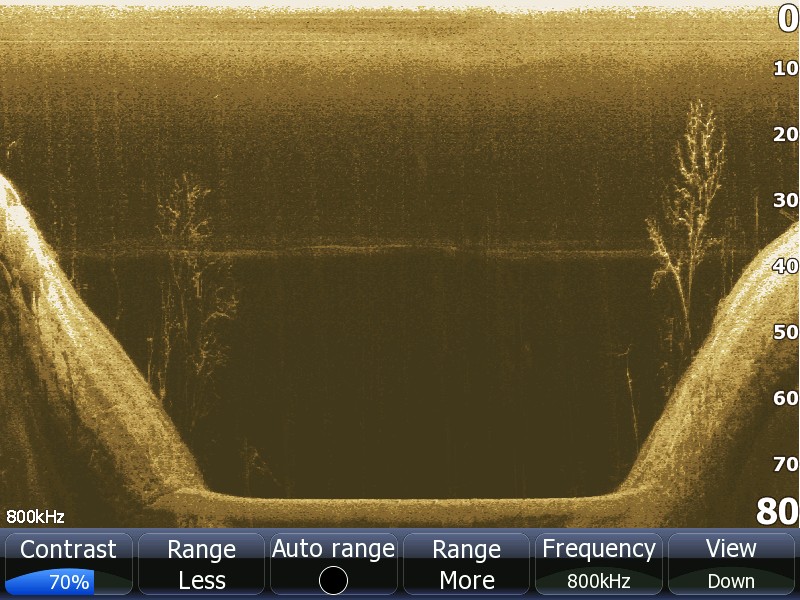
Side Imaging is a technology that uses a lateral function, it also requires constant movement because when stationary, it simply will not work. Another downside for use in a float, each paddle stroke risks distorting the image due to the instability of such a vessel.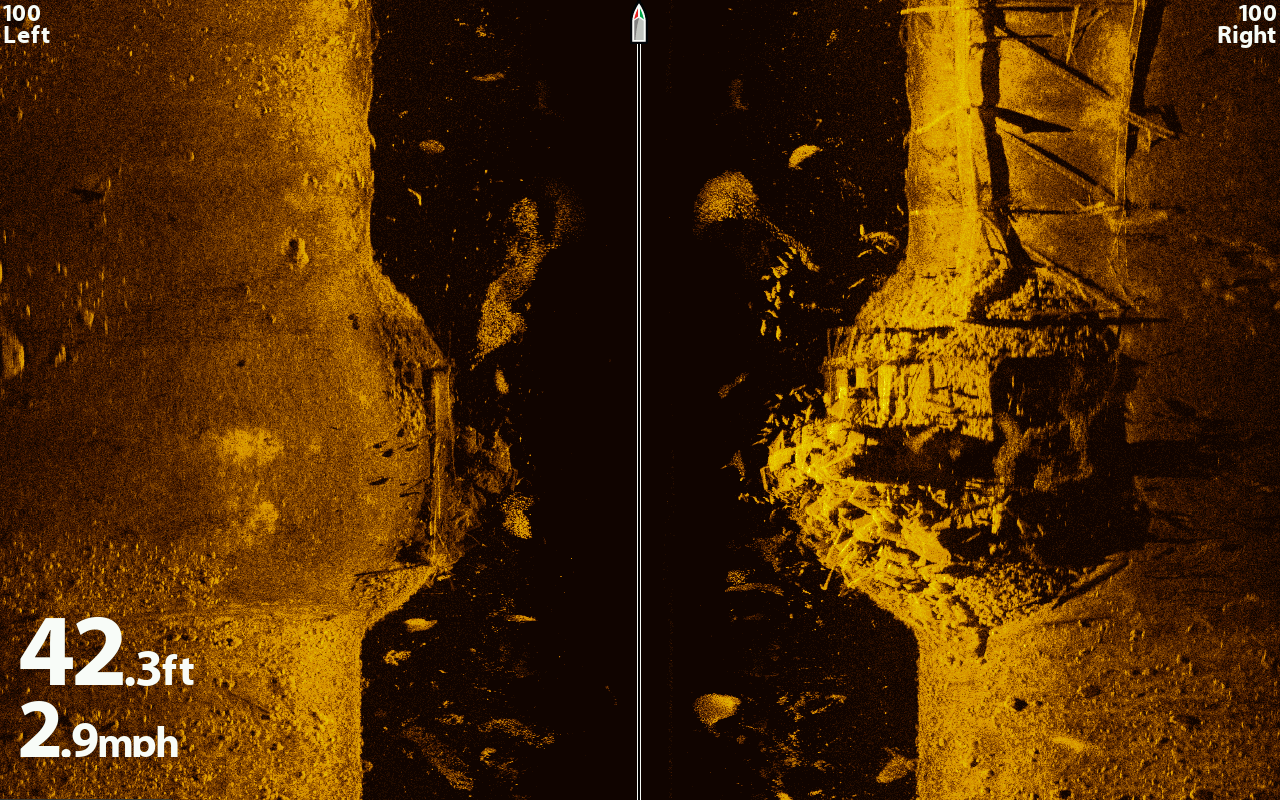
Finally, GPS technology, a source of many debates between fishermen due to its real usefulness. Certainly, not opting for a GPS will save you money at the time of purchase, but you may regret it later. We therefore recommend that you choose the GPS function without the mapping, it would be the best compromise. It will be possible for you to save your best spots, analyze your drift, etc.
Adapted batteries
The battery is a crucial element since your fish finder deeper wi fi or any other sonar of the same type will need to be powered. On the contrary, a 100m fish finders alarm will be able to operate autonomously thanks to a set of AAA batteries.
We advise you to go for the simplest and most economical solution, a battery. weight. Sure, it's heavy, but it will do the job just fine, and it will remain relatively discreet. A 7Ah power will ensure a full day of use.
Our selection
We have selected three for you. pollsters, an entry-level for the fishermen who may not necessarily have the means or who wish to try the solution at a lower cost, a mid-range and a high-end option.
We offer you the brand Deeper ideal start for a first purchase, the pro version of the fish finder wireless Deeper Wifi Pro Is indeed a very good choice that offers excellent value for money.
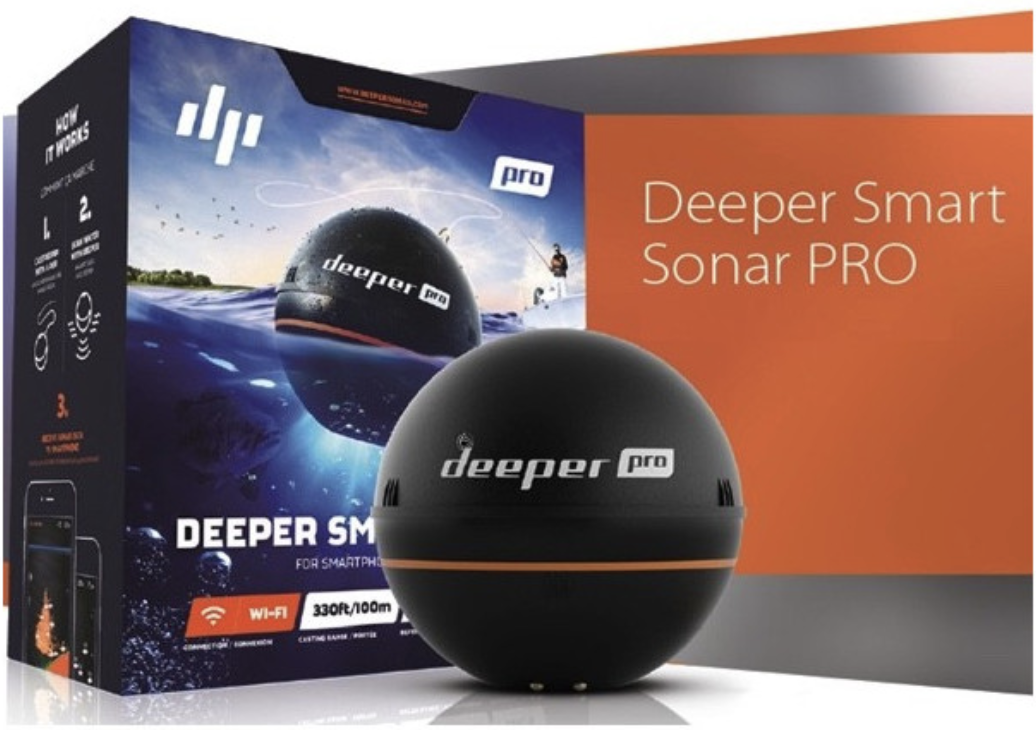
The use of wifi thus increases the range of use to 100m. The image quality is improved and you can therefore count on twice the number of images per second compared to the Bluetooth version. Objects will be visible on your screen from a size of 1.3cm. It will work in sea and fresh water without any problem, with a battery life of 6 hours in continuous operation thanks to its own integrated battery.
For our mid-range selection, we have chosen the Piranhamax 4 DI From home Humminbird, one of the brands that is a reference in the field of probe manufacturers. All the characteristics of the Humminbird The Piranhamax 4 color is included in this model with the added Down Imaging feature. This feature allows you to have an almost photographic quality image of the depths you are exploring. The details will be sharp and ensure a better implementation of your technique. It comes with 200 and 455 probes with dual 28°, 16° beams, complemented by Down Imaging technology.
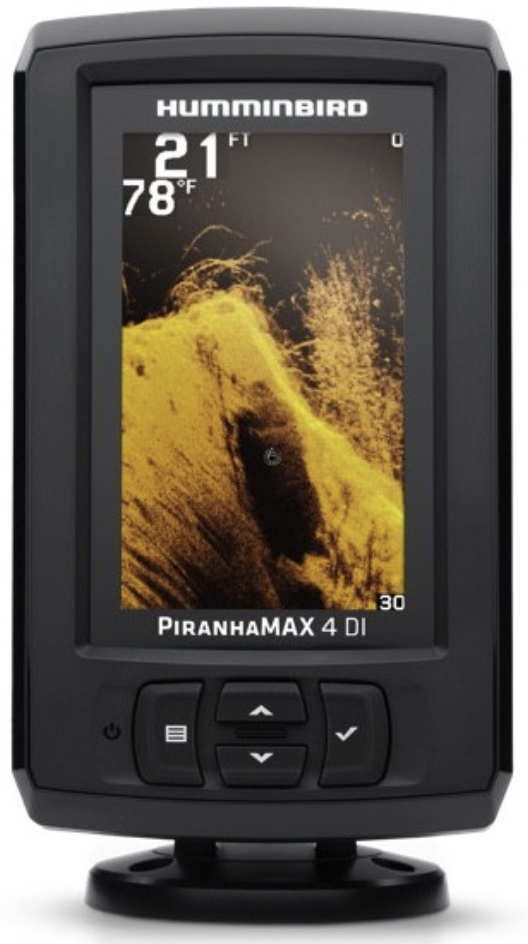
A fish finder A compact device that includes a lot of advanced technology for a reasonable price, reminiscent of the ideal Deeper Start but much more advanced.
Finally, the cream of the crop, the Explore 10 From home Humminbird. It benefits from the addition of significant features including CHIRP technology across all technologies (2D, Down and Side Imaging), the enhanced version of AutoChart® Live with vegetation mapping and bottom hardness, as well as the revolutionary MEGA Imaging ™ technology.
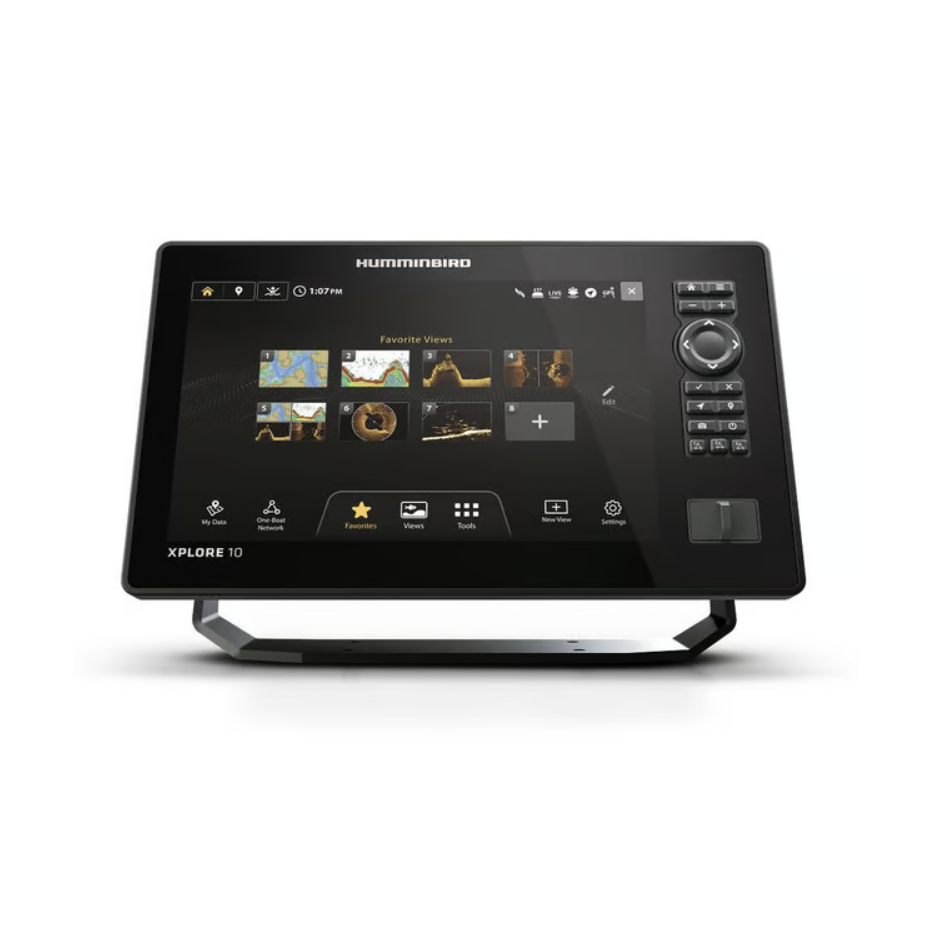
The Xplore 10 also has a Bluetooth module, synchronized with smartphones. It will allow you to read SMS, see incoming or missed calls, directly on your screen. Humminbird (non-existent feature on the deeper wifi wireless). It's a fish finder for a choice that brings together the best of what is available, you will of course have to pay a high price.
Our other articles concerning float tubes:
- How to choose your Float Tube ?
- What rod for fishing in a Float Tube ?
- Which float tube for beginners ?
- Which waders for float tube ?
- 7 accessories for your Float Tube
- Float Tube or Kayak: How to Make Your Choice ?
- How to start with Float Tube: equipment, spots, techniques
- How to inflate a float tube ?
- How to install a fish finder on a float tube ?
- How to repair a float tube bladder ?
- Which fins to choose for Float Tube fishing ?
- How to move forward and navigate in a float tube ?
- Float tube navigation: what does the law say ?
- Storage and maintenance of float tube: Complete guide
- Which float tube for catfish fishing ?